The Challenge
The gap between waste and value.
Across the West, difficult materials pile up faster than economic outlets can absorb them. Closing that gap requires new infrastructure.
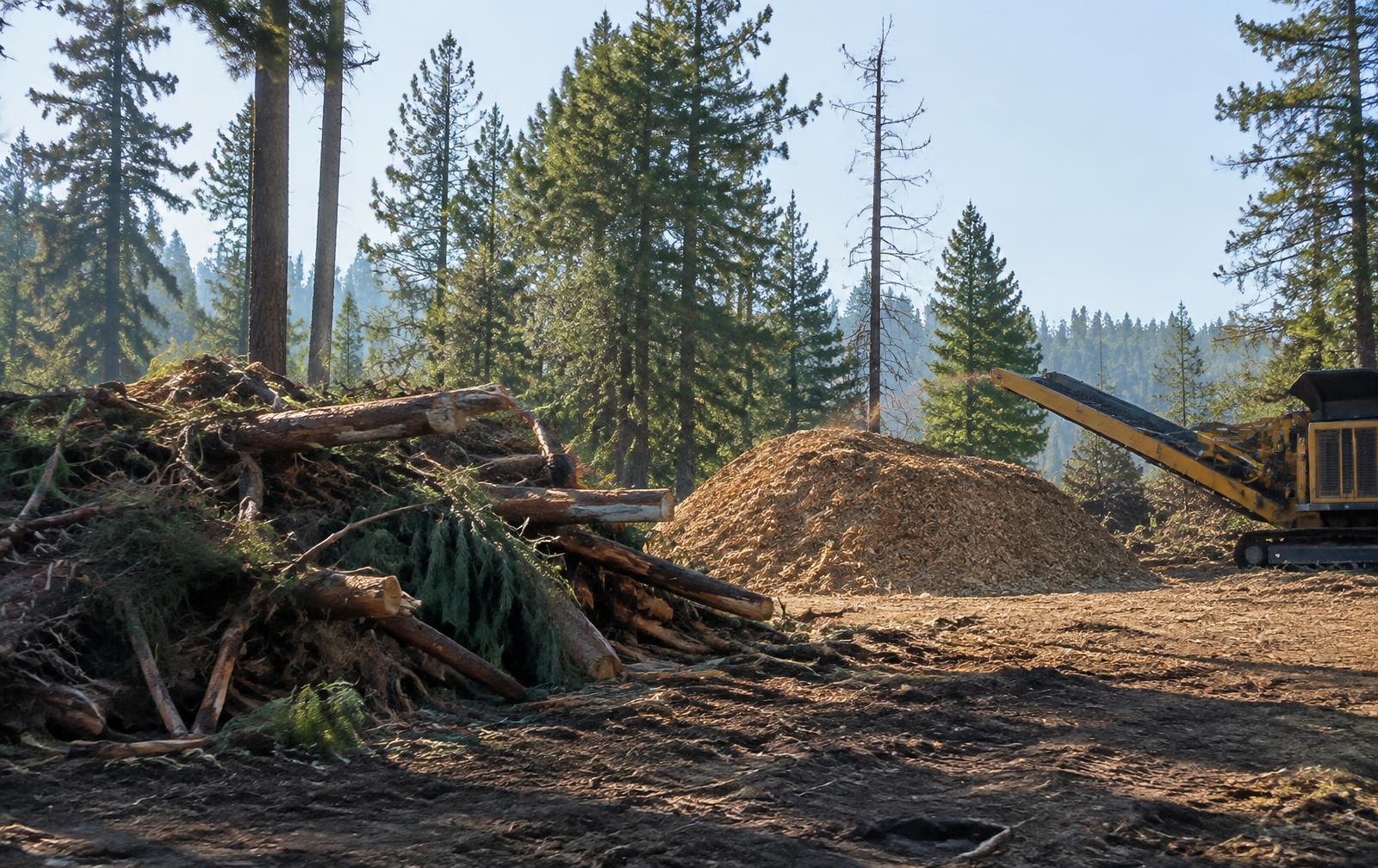
Forest overgrowth
Limited biomass markets
Transport & disposal costs
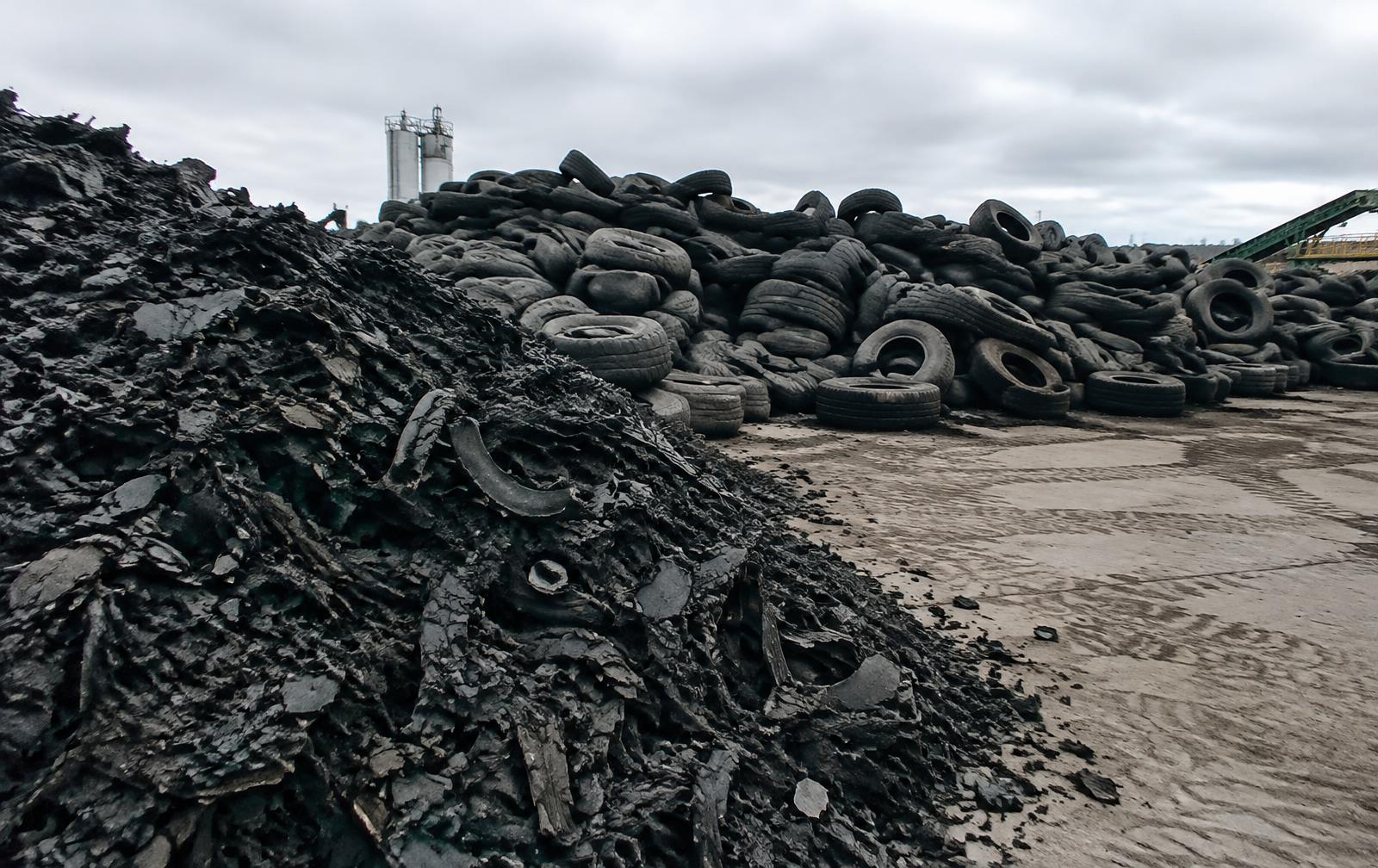
Waste tire stockpiles
Open burning & landfill
Growing product markets
“Forests don't have a biomass problem. They have a market problem.”
Forest restoration and hazardous fuels reduction generate enormous volumes of small-diameter wood, slash and residue. Removing it is expensive, and hauling bulky, low-value material long distances to the few facilities that accept it rarely pays.
Without a profitable outlet, residues are piled and open-burned or left in the forest — adding smoke and wildfire risk. The missing piece isn't material; it's a buyer. Converting residues into hydrogen, carbon materials, fuels and chemicals can create the market that makes restoration economically self-sustaining.
The infrastructure gap
Waste is local. Markets are not.
Feedstocks are dispersed across forests, recycling yards and industrial sites, while buyers of hydrogen and carbon products sit elsewhere. Modular conversion near the source can help bridge that distance.
Help turn a disposal problem into infrastructure.
We work with feedstock suppliers, industrial offtakers, site hosts, engineering partners and investors to move projects forward.